
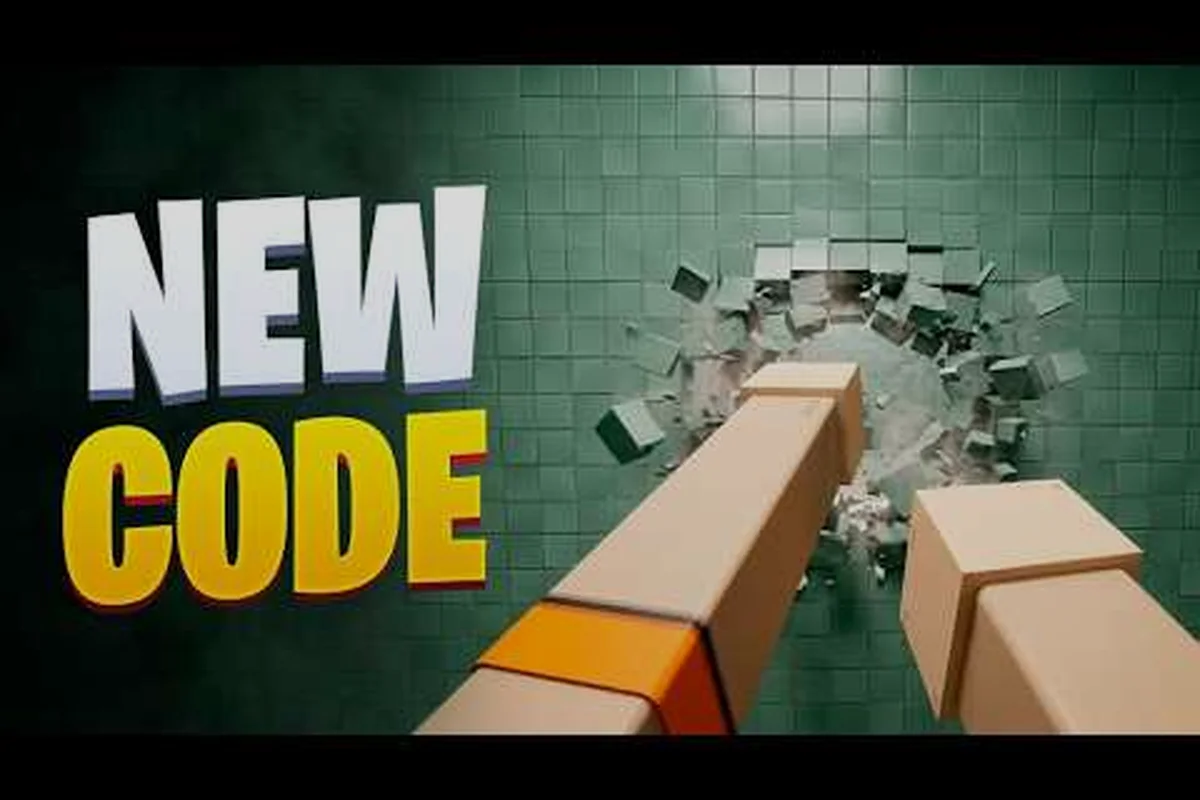
The Punch Walls to Escape roblox trending game story is really a story about speed — a Steam indie called Escape the Walls blew up in October 2026, and Roblox versions appeared within days. Here is how the copycat wave happened and what it means for players.
According to Pandori's official X post on the game, the core loop centers on repeatedly punching destructible walls to break through and escape each stage. That single-input design is exactly why the format ported so cleanly to Roblox: there are no complex controls to rebuild, so a clone can be stood up in days rather than months. Each wall typically carries a hidden durability value, and players chain punches to strip it down before the timer expires — a mechanic that reads instantly in a thumbnail and translates into short, replayable rounds that suit Roblox's younger, mobile-heavy audience.
Why the Punch Walls to Escape Copycat Trend Moved So Fast
The short answer is that the concept was already proven before anyone built it on Roblox. When the Steam indie Escape the Walls went viral and trended on X across the United States in October 2026, it handed developers a ready-made hook: punch through walls, break out of confinement, repeat. That single loop is cheap to build, instantly readable in a thumbnail, and perfect for short-form video — three traits that make a Roblox clone appear almost overnight.
Community reports describe the timeline as compressed even by Roblox standards. A concept trends on X, clips flood YouTube Shorts and TikTok, and within days multiple experiences claim the same premise. The Punch Walls to Escape roblox clones trend is the clearest example of that pipeline in late 2026, because the gap between the Steam moment and the Roblox follow-ups was measured in days rather than months.
| Stage | What Happened | Approximate Timing |
|---|---|---|
| Origin spark | Escape the Walls trends on Steam and X in the US | Early-to-mid October 2026 |
| Clip wave | Shorts and gameplay videos spread the punching loop | Within 48-72 hours |
| Roblox follow-ups | Multiple wall-punching escape experiences appear | Within days of the spark |
| Community coverage | How-to-play clips and code videos multiply | Late October 2026 |
| Snapshot | Punch Walls to Escape passes 1,183,105 visits | October 31, 2026 |
That table is the whole trend in miniature. Nothing about it required a marketing budget — the visibility came from a borrowed concept and a fast-moving audience. The Wake it UP games breakdown digs into the studio side of that story if you want the developer angle rather than the player one.
The Steam Spark Behind the Roblox Wave
Escape the Walls did the hard work first. It proved that a first-person wall-breaking escape loop could hold attention long enough to trend, and it did so on a platform where indie concepts get discovered fast. Once that proof existed, the Roblox version was less a gamble and more a translation — same premise, different audience, much lower barrier to entry.
Why the Loop Translates So Well
Roblox players do not need a tutorial to understand "punch the wall until it breaks." The mechanic is legible in three seconds of footage, which is exactly what a trending clip needs. That legibility is why the Punch Walls to Escape new roblox game slot filled so quickly and why the escape game community adopted it without much debate about originality.
Reading the Numbers: A Fast-Start Snapshot, Not a Track Record
The most important thing to understand about the Punch Walls to Escape October 2026 game data is that it is a snapshot, not a history. As of October 31, 2026, the experience had recorded 1,183,105 visits. That is a genuinely strong opening figure — and it is also a figure that reflects a few weeks of trend-driven traffic rather than a settled player base.
Treat early visit counts on any trending Roblox experience the way you would treat opening-weekend box office: informative, exciting, and not yet a verdict. The game's visibility is tied to a fast-moving trend, so numbers and features can shift quickly in either direction.
| Metric | Value | How to Read It |
|---|---|---|
| Visits as of Oct 31, 2026 | 1,183,105 | Strong fast start, not a long-run average |
| Trend origin | Escape the Walls on Steam | Borrowed concept, borrowed momentum |
| Time from spark to Roblox versions | Days | Unusually compressed |
| Content stability | Low | Features may change quickly |
| Verification status of code claims | Unconfirmed | No developer-confirmed code system |
Community channels have been publishing how-to-play and gameplay clips at a steady clip, which is itself a signal. When creators rush to cover an experience, it usually means search demand is outpacing supply — the classic signature of a trend peak rather than a mature game.
What the Visit Count Does and Does Not Tell You
It tells you that a lot of people clicked in during a narrow window. It does not tell you retention, average session length, or whether those players came back. For a trend-born experience, the second and third weeks matter far more than the first, and those numbers were not yet available in the late-October snapshot.
Why Snapshots Matter for Players
If you are deciding whether to invest time in a trending experience, knowing it is trend-born changes your expectations. You should expect rapid iteration, occasional rough edges, and mechanics that may be rebalanced or replaced. The patch analysis of the October 28, 2026 recap shows how quickly the build was moving during that opening stretch.
Inside the Punch-and-Vacuum Loop Players Actually See
Community gameplay footage consistently shows the same core interaction: you punch through walls to open a path, and you vacuum up the debris or rewards that come loose. ToyTaanic's video "PUNCH THE WALL to Escape PRISON" captures the rhythm clearly — punch, clear, advance, repeat — and Toeox minus's "Escaping Prison by Breaking Walls" shows the same loop from a different starting layout.
That two-verb structure is the entire game in a sentence, and it is why clips travel so well. There is no inventory management to explain, no stat screen to parse, and no build order to memorize before the action starts.
| Element | What Players Report Seeing | Confidence |
|---|---|---|
| Core action | Punching walls to open escape routes | High — visible in multiple clips |
| Secondary action | Vacuuming debris or collectibles | High — visible in clips |
| Setting | Prison or confinement framing | High — consistent across videos |
| Grinder mechanic | Reported in media coverage | Unconfirmed — not on official page |
| Five floors | Reported in media coverage | Unconfirmed — not on official page |
| Gems in rare blocks and vaults | Reported in media coverage | Unconfirmed — not on official page |
| Sledgehammer and TNT toolset | Reported in media coverage | Unconfirmed — not on official page |
| Code system | Claimed by community videos | Unverified — official description silent |
The bottom rows of that table are where readers get burned. GameRant published a code roundup for the game on October 29, 2026 that described a grinder, five floors, gems in rare blocks and vaults, and a sledgehammer-and-TNT toolset. None of those specifics appear on the official page, so this article treats them as unconfirmed rather than fact. The beginner guide sticks to what the footage actually shows for the same reason.
Separating Footage From Rumor
If a mechanic appears in three independent gameplay videos, trust it. If it appears only in a written roundup with no clip evidence, file it under "maybe." That single habit will save you from chasing features that were never shipped — and it applies to the Punch Walls to Escape copycat trend coverage broadly, where secondhand details get recycled fast.
Why the Loop Feels Familiar
Anyone who has played a wall-breaking escape experience in the last few years will recognize the rhythm immediately. That familiarity is a feature of the trend, not a bug: the concept was designed to be understood instantly, and the Roblox translation preserves that instant readability.
The Code Question: What the Escape Game Community Can and Cannot Verify
Search interest in codes spiked almost immediately, which is predictable — codes are the default monetization-adjacent question for any new Roblox experience. The problem is that no code list is verifiable through the developer, and the official description never mentions a code system at all. Community channels post code videos claiming free crates, but claims without a developer source stay unverified.
| Claim Type | Source | Status |
|---|---|---|
| Free crate codes | Community videos | Unverified |
| Code redemption system exists | Community videos | Unverified |
| Official code list | Developer | Does not appear to exist |
| In-game rewards via codes | Any source | No confirmed evidence |
The practical takeaway is simple: do not spend time hunting codes until a developer-confirmed list appears. If a system does get added, it will show up in the update notes from launch through late October before it shows up in a random Short.
How to Spot a Fake Code Video
Look for three tells. First, no on-screen redemption moment — just a list read aloud. Second, no link to an official source. Third, a thumbnail promising free currency with no gameplay of the reward. Any one of those is a yellow flag; all three together means skip it.
What to Watch Instead
Watch the Punch Walls to Escape Roblox group page, the game's own description, and any verified developer socials — that trio is the only channel where a real code system would surface first. The escape game community is loud, but the developer is the only source that can confirm a code system exists. Compare that against the copycat trend: clone listings and Discord reposts routinely recycle the same "working codes" list across every Punch Walls to Escape clone, which is exactly why unverified claims spread faster than the actual game updates. Until an official post appears, treat every code claim as entertainment rather than information.
How the Roblox Clones Trend Compares to Earlier Copycat Waves
Roblox has absorbed viral concepts before, but the Punch Walls to Escape roblox clones trend stands out for how short the gap was between origin and imitation. Historically, a concept might take weeks or months to migrate from another platform to Roblox. Here, the migration happened inside a single news cycle.
| Factor | Earlier Copycat Waves | October 2026 Wall-Punch Wave |
|---|---|---|
| Time from origin to Roblox version | Weeks to months | Days |
| Concept complexity | Often high | Very low |
| Clip-friendliness | Moderate | Extremely high |
| Number of competing versions | Few | Several, quickly |
| Content stability | Higher | Lower |
Low complexity plus high clip-friendliness is the accelerant. When a concept can be communicated in a three-second loop and built in a short sprint, the copycat window collapses. That is the structural reason this wave moved faster than most, and it is likely to define how fast the next one moves too.
What This Means for Players Choosing a Version
With several near-identical experiences live at once, version choice matters less than it usually would. Pick the one with the clearest official page, the most consistent update activity, and the least reliance on unverified claims. The community guide to real and fake hubs covers how to tell a legitimate experience page from a knockoff listing.
What It Means for the Trend's Lifespan
Fast imitation usually shortens a trend's peak. When five versions of the same idea exist within a week, the audience fragments and the novelty burns out quicker. That does not make the experience bad — it just means the window for "first mover" excitement is narrow.
Practical Advice for Playing a Trend-Born Experience
If you are jumping in now, adjust your expectations to match what a trend-born game actually is. The Roblox game explained breakdown walks through the loop and length in detail, but the short version is this: expect a compact core loop, expect changes, and expect the surrounding content to be thinner than a mature game's.
-
Start with the core loop, not the meta. Punch, clear, advance. Learn the rhythm before worrying about tools or upgrades.
-
Ignore unconfirmed mechanics. If you cannot see it in gameplay footage, do not plan around it.
-
Check the official page first. It is the only place where features are stated as fact rather than reported.
-
Expect rebalancing. Trend-driven builds iterate fast, and what works in week one may shift.
-
Watch one full clip before downloading. Three minutes of footage tells you more than any written summary.
The new game difficulty breakdown is worth a look if the experience offers multiple modes, since picking the right starting difficulty on a compact loop saves a restart later. In a Punch Walls to Escape–style escape loop this matters more than in a long RPG: the wall-punching rhythm and the escape timer scale together, so a mode that looks forgiving on paper can still gate you behind a tighter punch count before the first checkpoint. Check whether the mode list is actually confirmed on the official page rather than assumed from a trend-born clone, and treat any mode names you only see in a single clip as unverified until a second source shows the same screen.
Setting Expectations for Session Length
Trend-born experiences tend to be short by design. The loop is meant to be replayed, not completed once. If you go in expecting a long campaign, you will be disappointed; if you go in expecting a tight repeatable loop, you will get exactly that.
When to Walk Away
If the experience stops updating and the visit count plateaus, the trend has passed. That is not a failure — it is the normal lifecycle of a copycat-wave game, and recognizing it early saves you from grinding a dead build.
Frequently Asked Questions
Why did Punch Walls to Escape become a roblox trending game so quickly?
Because the concept was already proven. Escape the Walls went viral on Steam and trended on X in the United States in October 2026, and Roblox versions appeared within days. The low-complexity, clip-friendly loop let the idea spread through short-form video almost instantly.
How many visits did the game have in October 2026?
As of October 31, 2026, the experience had recorded 1,183,105 visits according to community-tracked data. That figure reflects a fast-start snapshot from late October rather than a long-run average, so treat it as an opening number rather than a settled player base.
Are the code lists for this game real?
No developer-confirmed code list exists, and the official description never mentions a code system. Community videos claiming free crates remain unverified. Until the developer announces codes directly, treat every code claim as unconfirmed and avoid spending time hunting them.
What is the Punch Walls to Escape copycat trend exactly?
It refers to the wave of Roblox experiences that replicated the Escape the Walls premise within days of its Steam moment. Multiple wall-punching escape games appeared at once, which is why the concept spread so fast and why version choice matters less than usual.
Is the game still worth playing after the trend peaks?
It depends on whether the core loop holds your attention. The punch-and-clear rhythm is genuinely satisfying in short sessions, and the update log for 2026 tracks whether new content keeps arriving. If updates stop, the experience will likely settle into a small dedicated audience.
The Punch Walls to Escape roblox trending game story is ultimately a case study in how fast a proven concept can migrate across platforms in 2026 — a Steam spark, a clip wave, and a cluster of Roblox follow-ups inside a single week. Understanding that timeline helps you read the visit numbers honestly, separate confirmed mechanics from recycled rumor, and decide whether a trend-born escape experience deserves your time.