
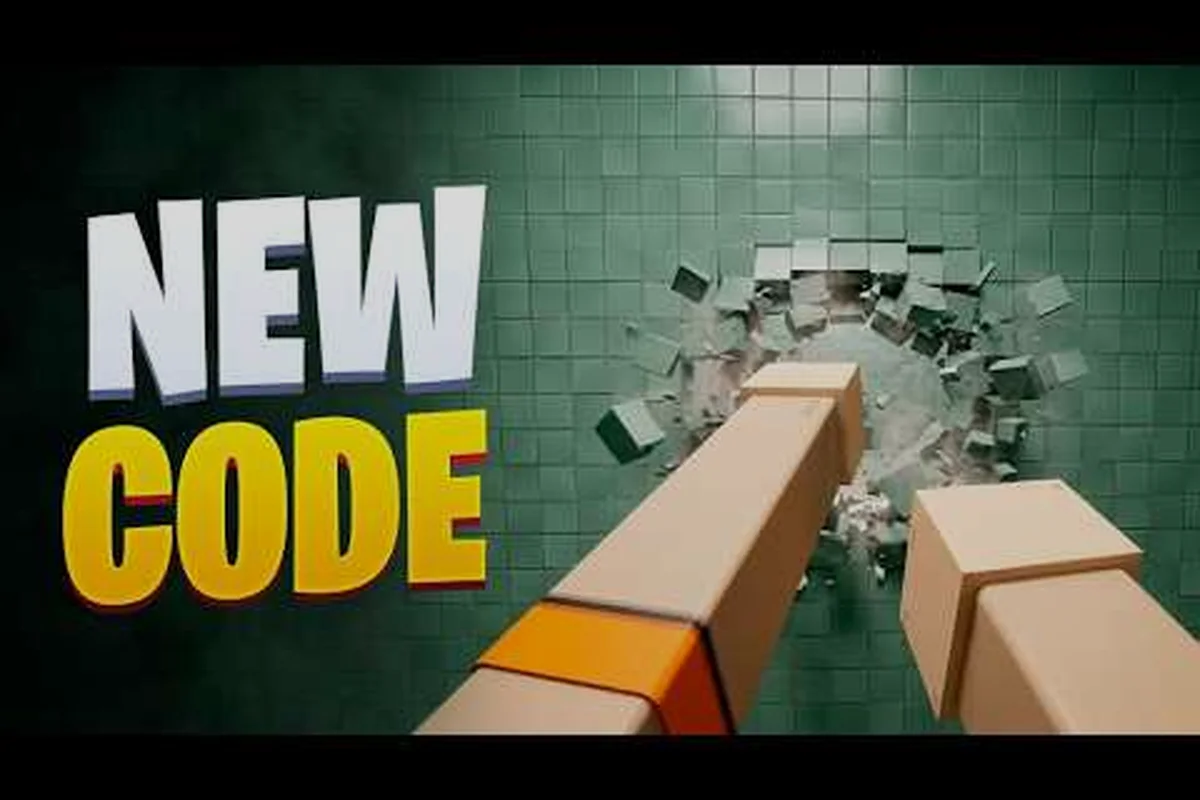
The Punch Walls to Escape community guide 2026 question is simple: which hubs are real and which are copycats? Since the game exploded in October 2026, dozens of fan wikis and clip channels have appeared, and many of them invent features that do not exist. Knowing where to look saves you from chasing vaults, pets, and code lists that were never part of the experience.
This breakdown separates the verified spaces from the noise, so you can see exactly which pages the developer actually controls, which YouTube channels post genuine Punch Walls to Escape celebration clips, and how to spot a fake hub before it wastes your time. Watch for the tell-tale signs: unofficial wikis that list non-existent vault codes or pet systems, clip channels that recycle footage from other Roblox tower games, and "official" fan pages with no link back to the developer's own page. Cross-check any Punch Walls to Escape fan discussion against the official page before trusting its claims, and treat any hub promising free codes or unreleased features as a red flag until proven otherwise.
The Real Wake it UP Community, Quirks and All
The anchor point for everything is the Wake it UP creator group, which hosts the experience on Roblox and serves as the closest thing to an official hub. According to the Wake it UP community page, the group is where the game and its player base are anchored, and it is the one destination you can trust for baseline facts about the experience.
What the official Punch Walls to Escape page does not confirm matters just as much. As of late October 2026, the game is very new and changes quickly, and the official listing says nothing about offline earnings, AFK rewards, or rebirth-style boosts. Any claim you see about those systems should be treated as unverified until the developer says otherwise.
Here is how the main hub types compare, and the trust gap between them is wider than most players expect: the Wake it UP group page and the Roblox game listing are the only two sources that confirm anything at all, and both stay deliberately narrow — game existence, the basic punch-and-escape loop, and update notes. Everything else is inference. Fan wikis routinely invent vaults, pets, and floor counts that appear nowhere in the official listing, while clip channels sit in a middle tier because a celebration clip proves real gameplay happened but says nothing about whether a feature exists. Code videos rank lowest, since a thumbnail claiming a crate drop can be staged in seconds and never verified against the developer's own posts.
| Hub Type | Who Runs It | Trust Level | What It Confirms |
|---|---|---|---|
| Wake it UP group page | Developer | High | Game existence, basic loop, updates |
| Roblox game listing | Developer | High | Play access, description, thumbnails |
| Fan wikis | Unknown editors | Low | Often invents vaults, pets, floors |
| Clip channels | Individual creators | Medium | Shows real gameplay, not features |
| Code videos | Individual creators | Very low | Claims crates that cannot be verified |
The pattern is consistent across every source reviewed: the developer-controlled spaces stay quiet about extras, while third-party pages fill the silence with speculation. That gap is exactly where misinformation breeds. Look at the trust table above and the mechanism becomes clear — the Wake it UP group page and Roblox listing confirm only game existence, the basic punch-and-escape loop, and update notes, so any fan wiki claiming a specific vault count or pet roster is filling a vacuum the developer never addressed. Because the game was still very new as of late October 2026, that vacuum is wide: a clip channel showing a celebration animation proves the loop runs, but it cannot confirm a crate drop or rebirth boost, and a code video thumbnail can be staged in seconds. The practical rule for the Punch Walls to Escape community is to treat every unconfirmed feature claim as a rumor until it appears on the official listing or group page — the silence is not a hint, it is simply silence.
Why the Silence Creates Confusion
A new Roblox experience with a fast-rising player count attracts content farmers within days. Because the official Punch Walls to Escape page never mentions a code system, any video promising free crates is working from assumption rather than fact. The same logic applies to the five-floor structure, vaults, and pet systems that some fan wikis label as official features.
Community reports describe this as a copycat trend rather than an organized misinformation campaign. The Steam indie title Escape the Walls went viral, Roblox follow-ups appeared almost immediately, and the resulting wave of content carried invented details along with it. Understanding that origin makes it easier to filter what you read.
How to Verify Punch Walls to Escape YouTube Content Before You Trust It
YouTube is the loudest part of the Punch Walls to Escape community, and it is also the easiest place to get misled. The good news is that gameplay footage is self-verifying: if a video shows the punching and vacuuming loop, you are watching the real game. If it shows menus, shops, or reward screens that never appear in actual play, you are watching filler.
Three channels stand out as reliable examples of genuine coverage. Each one demonstrates the core loop rather than promising extras: VendoPlus treats the game as a how-to-play walkthrough, ToyTaanic frames it as a first-person prison-escape run, and Toeox minus keeps the clip strictly escape-focused. What separates them from the code-bait uploads is that every video shows the punching and vacuuming loop on screen, so the wall-breaking and vacuum-cleanup mechanics are visible rather than described. When a channel instead teases menus, shops, or reward screens that never appear in actual play, treat it as filler and move on.
-
VendoPlus published a full how-to-play walkthrough that shows the punching and vacuuming loop in action, which is the clearest way to confirm what the game actually contains.
-
ToyTaanic posted a prison-escape run that demonstrates the same mechanics from a first-person perspective, useful for seeing how walls break under sustained punches.
-
Toeox minus uploaded an escape-focused clip that reinforces the same loop without inventing progression systems.
Rather than scrubbing YouTube manually, you can browse a curated set of these verified runs in our verified gameplay collection, which filters out the code-bait uploads. The curation criterion is deliberately narrow: a clip earns a spot only if the punching and vacuuming loop is visible on screen within the first few seconds, so you can confirm the wall-breaking and vacuum-cleanup mechanics without sitting through a full walkthrough. That pre-screening matters because code-bait uploads often front-load a fake menu or reward screen before any real gameplay appears, wasting the time of anyone checking whether the game matches its store description.
Red Flags in a Clip Channel
Watch for these signals before you invest time in a channel's claims: a clip that opens with a reaction face before any Punch Walls to Escape footage, a "secret code" drop that never appears on the official page, or a thumbnail showing a vault or pet that the actual gameplay loop never renders. Cross-check the uploader's description against the Roblox experience page — legitimate community posts link back to it, while fabricated ones rely on comment-section hype and pinned "updated list" replies to farm engagement. If the first ten seconds contain no punching or vacuuming HUD, treat the rest as speculation.
-
Code lists with no source — if the video promises free crates but the official description never mentions codes, the list is fabricated.
-
Feature showcases with no gameplay — a "vault tour" or "pet system reveal" that never shows the actual game screen is a red flag.
-
Clickbait titles with mismatched footage — when the thumbnail shows something the video never delivers, the channel is farming views.
-
No visible HUD or loop — genuine footage always shows the punching and vacuuming mechanics in motion.
The reliable channels share one trait: they show the loop. A trustworthy Punch Walls to Escape celebration clip keeps the punching counter, the vacuum HUD, and the wall-break meter visible for the full run, so you can trace exactly which punch cleared the final barrier and which crate drop triggered the celebration emote. Everything else is commentary layered on top, and commentary is where invented features creep in — a narrator describing a "double-jump wall skip" that never appears in the on-screen movement, or a "guaranteed crate spawn" claim with no HUD proof, is the same fabrication pattern as a sourceless code list. When you can pause any frame and match it to the official page's mechanics, the channel earns trust; when the loop is hidden behind reaction cuts and zoomed thumbnails, treat every claim as unverified.
Sorting Punch Walls to Escape Fan Discussions From Fabricated Claims
Fan discussions are where the community actually thinks out loud, and they are valuable precisely because they are messy. The trick is separating speculation from observation. A player describing how long a wall takes to break under repeated punches is offering testable information. A player claiming a hidden vault opens after five floors is offering a rumor.
Community reports consistently flag the same set of unverified claims. A few third-party fan wikis label themselves official and list extras like a five-floor structure, vaults, a pet system, or rebirth-style boosts. The official page confirms none of these, so they stay in the unverified column until the developer publishes something concrete.
| Claim | Where It Appears | Official Confirmation | Verdict |
|---|---|---|---|
| Five-floor structure | Fan wikis | None | Unverified |
| Vaults with rewards | Fan wikis, clip videos | None | Unverified |
| Pet system | Fan wikis | None | Unverified |
| Rebirth boosts | Fan wikis | None | Unverified |
| Free crate codes | Code videos | None | Unverified |
| Punching and vacuuming loop | Gameplay footage | Visible in play | Confirmed |
The confirmed row is the one that matters most. Everything the game actually does traces back to that loop, and any guide that ignores it in favor of speculation is not worth your time. For a structured walkthrough of the confirmed mechanics, the beginner guide to Solitary Confinement basics covers the opening minutes in detail.
Reading a Fan Wiki Critically
When you land on a fan wiki, check three things before believing anything. First, does the page cite the developer or the official Punch Walls to Escape page? Second, does it distinguish confirmed mechanics from planned or rumored ones? Third, does it show evidence, such as screenshots from actual play?
A wiki that fails all three is a content mill. A wiki that passes even two is worth skimming. The distinction matters because fan wikis rank well in search, and new players often land on them first without realizing the "official" label is self-applied.
Where Punch Walls to Escape Celebration Clips Fit In
Celebration clips are the most shareable part of the Punch Walls to Escape community, and they serve a real purpose beyond entertainment. A short clip of a wall finally collapsing after a long punching session communicates the game's core satisfaction faster than any written explanation. That is why these clips spread so quickly across feeds.
The catch is that celebration clips are edited for impact, not accuracy. A thirty-second highlight may compress several minutes of vacuuming and punching into a burst that makes progression look faster than it is. Treat them as marketing for the experience rather than a strategy resource.
| Clip Type | Typical Length | What It Shows | Best Use |
|---|---|---|---|
| Celebration highlight | 15-30 seconds | Wall collapse moment | Understanding the appeal |
| Full run | 5-15 minutes | Complete escape attempt | Learning the loop |
| How-to-play | 3-8 minutes | Mechanics explained | Getting started |
| Code claim video | 2-5 minutes | Unverified rewards | Skip entirely |
If you want to see how the game's popularity spread, our look at the Roblox trending game and its copycat wave traces how celebration clips fueled the October 2026 surge. That timeline matters because it explains the copycat wave you now see on the Roblox charts: once a 15-30 second wall-collapse clip hit a few thousand views, smaller studios rushed out their own vacuum-and-punch variants within weeks, splitting the audience that the original celebration highlights had built. Knowing that pattern helps you spot which "new" Punch Walls to Escape clones are riding the same clip formula rather than adding anything to the escape loop.
Why Highlights Mislead New Players
A new player watching celebration clips may expect walls to break in seconds. In practice, the loop involves sustained punching and vacuuming, and the timing depends on how you approach each wall. The highlight removes the grind, which is the part you actually need to understand.
Community reports suggest the gap between clip pacing and real pacing is the most common source of early frustration. Players who expect instant progress quit faster than players who understand the loop takes repetition. Watching a full run instead of a highlight closes that gap.
Building a Reliable Punch Walls to Escape Community Routine
Once you know which hubs are real, the practical question becomes how to use them efficiently. The answer is a short rotation: check the official Punch Walls to Escape page for updates, watch one verified gameplay video when a mechanic confuses you, and skim fan discussions for tips while ignoring feature claims.
That rotation works best when it is time-boxed rather than open-ended, so treat it as a ten-minute loop instead of a scrolling session. Give the official Punch Walls to Escape page two minutes to confirm whether the Wake it UP group has posted a patch note, spend five minutes on one verified full run only when a specific wall resist fails, and reserve the remaining three minutes for fan discussions filtered to timing observations. The order matters because the official page settles disputes that fan threads cannot: if a clip claims a new wall type or celebration trigger but the developer page is silent, file it as unverified and move on rather than chasing it through comment sections. Logging each check with a date also helps you spot when a rumor flips status after an update, since the verified list is not permanent and a feature dismissed in late October 2026 may be confirmed weeks later.
-
Start with the Wake it UP group page — it is the only place where developer intent is stated directly, and it updates when the experience changes.
-
Watch a verified full run when you hit a wall that will not break, since footage shows the approach better than text.
-
Skim fan discussions for timing observations, but skip any thread built around vaults, pets, or codes.
-
Ignore code videos entirely until the developer publishes a code system, which as of late October 2026 has not happened.
-
Re-check after major updates, because a new game changes fast and yesterday's rumor can become today's feature.
The fifth point deserves emphasis. Because the experience is new, the verified list is not permanent. A feature that is unverified today could be real after an update, and the reverse is also true. The official page is the only source that settles the question.
When to Trust a New Claim
A claim becomes trustworthy when it appears on a developer-controlled page or is demonstrable in unedited gameplay. Anything short of that stays in the rumor bucket. This standard is strict, but it is the only one that survives a fast-moving release schedule.
Players who adopt this filter early spend less time chasing dead ends and more time actually escaping. The community is large enough that rumors travel fast, and the only defense is a short list of sources you actually trust. In practice, that means bookmarking the official page for patch notes and known-issue posts, subscribing to two or three YouTube channels that show unedited full runs rather than highlight-only celebration clips, and treating screenshot dumps in fan discussions as leads to verify, not conclusions. When a new claim surfaces — say a wall-punch angle that supposedly skips a room — check whether it appears in a developer post or a continuous gameplay recording before acting on it. That habit keeps your escape attempts grounded and stops a single viral clip from sending the whole community down the same dead end.
Frequently Asked Questions
Is there an official Punch Walls to Escape Discord server?
No official Discord, YouTube, or Twitter account could be verified through the creator group's social links as of late October 2026. A Discord invite circulates in some media coverage, but its official status is unconfirmed. Treat any server claiming official status with caution until the developer links it directly from the group page.
Do free crate codes actually work in Punch Walls to Escape?
No verifiable code list exists. The official description never mentions a code system, so videos promising free crates are working from assumption rather than fact. Until the developer publishes codes through an official channel, any code you see should be considered unverified and likely non-functional.
What is the most reliable Punch Walls to Escape community source?
The Wake it UP creator group page is the most reliable source because the developer controls it directly. For mechanics, verified gameplay videos showing the punching and vacuuming loop are the next best option. Fan wikis and code videos rank lowest because they frequently invent features the official page never confirms.
Why do fan wikis claim features like vaults and pets?
Fan wikis often fill gaps left by a quiet official page, and a new game with a fast-rising player count attracts speculative content. The five-floor structure, vaults, pet system, and rebirth boosts all appear on third-party wikis but are confirmed nowhere by the developer, which is why they remain unverified claims rather than facts.
Are celebration clips useful for learning the game?
They are useful for understanding why the game appeals, not for learning strategy. Celebration clips compress minutes of punching and vacuuming into a short highlight, which makes progression look faster than it is. Watch a full run instead if you want accurate pacing and a realistic sense of how walls break.
The Punch Walls to Escape community guide 2026 comes down to one habit: verify before you trust. The developer-controlled group page and gameplay footage showing the real loop are your anchors, while fan wikis promising vaults, pets, and codes are noise until proven otherwise. Build your routine around the confirmed sources, revisit them after updates, and the fast-moving release schedule stops being confusing and starts being manageable.