
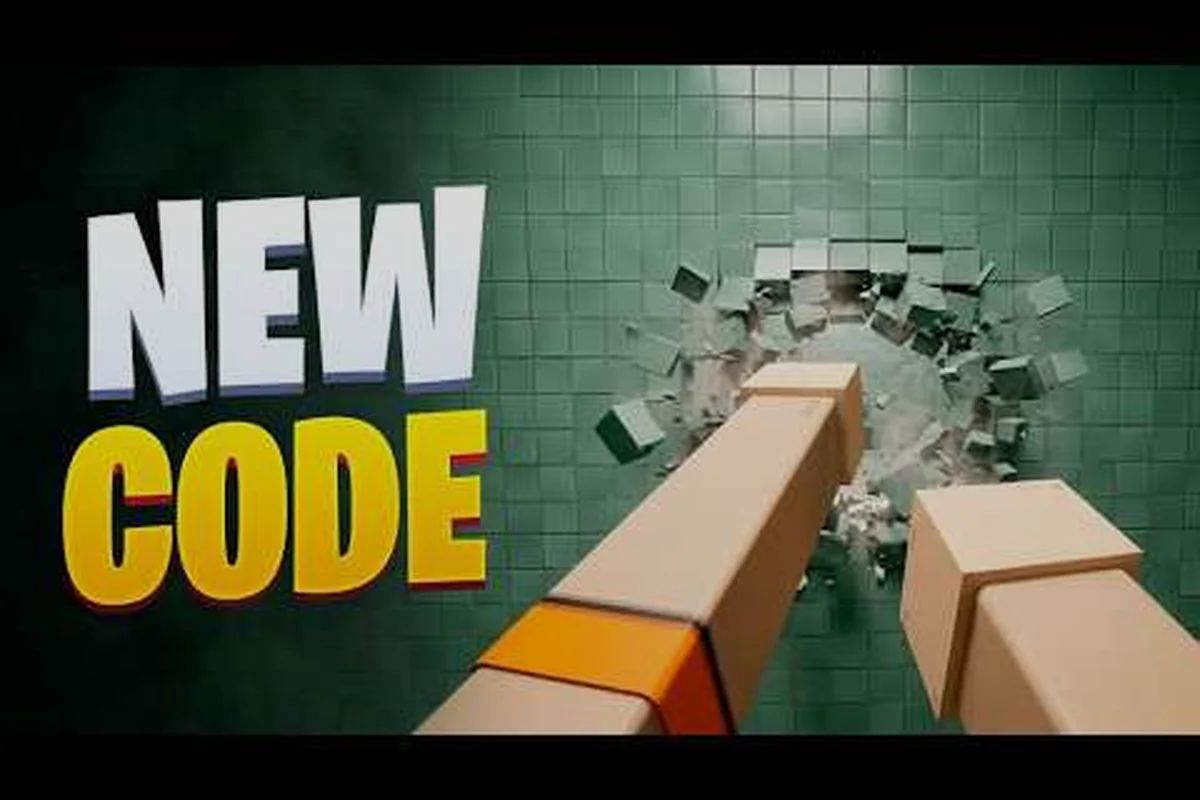
Punch Walls to Escape before you play is worth ten minutes of reading, because the sentence you pick in the first thirty seconds quietly decides how long your entire run lasts. A guard throws you into solitary confinement with nothing but your fists, and the only exit runs straight through a concrete wall — so knowing what each difficulty actually costs you saves a wasted evening.
What the Opening Actually Asks You to Decide
The premise is simple enough to explain in one breath: you are locked in a cell, a guard has taken everything, and the wall is the door. What most players miss is that the game asks for a commitment before it shows you a single punch animation. That commitment is your sentence length, and it maps directly onto difficulty.
According to community reports and the game's own framing, the three sentences work like this: the sentence you pick at the cell wall is not cosmetic flavor but a difficulty contract, because the same wall-thickness and tunnel-length values are scaled to each option. Easy trims the dig to a short tunnel you can clear in one sitting, Normal adds wall segments and stretches the gap between milestones, and Hard — the longest tunnel — stays locked until a Normal escape is logged. In practice this means the sentence choice sets your punch count and pacing before the first swing, so picking Hard on a fresh save simply isn't offered; the menu gates it behind the Normal clear flag.
-
Easy gives you a short dig — the wall is thin, the tunnel is brief, and you can finish in a single sitting.
-
Normal stretches the dig out, adding more wall to chew through and more time between milestones.
-
Hard is the longest tunnel of all, and it only unlocks after you have escaped on Normal.
That last detail matters more than anything else in the opening. You cannot skip straight to the hardest sentence, so your first run is effectively a tutorial whether you want it to be or not. The game was published on Roblox on October 15, 2026, and community coverage from the first two weeks consistently describes this same gated structure, so the unlock order is not a rumor.
There is also no code system to worry about. Verified community videos from creators like VendoPlus and ToyTaanic walk through the punching loop without any redemption step, so if you see a "Punch Walls to Escape codes" page floating around, treat it as noise. Your pre-play checklist is the loop, the sentence, the unlock order, and the current state of the game.
The Punching and Vacuuming Loop Explained
Before you commit to a sentence, understand what you will actually be doing for the next hour. The core loop is two verbs: punch the wall, then clear the debris. Punching alone does not advance your tunnel — the rubble has to go somewhere, and that is where the vacuuming step comes in.
Community footage shows the rhythm clearly. You swing, chunks break loose, and you sweep them up before the next swing lands cleanly. Skipping the cleanup step slows you down because debris blocks your own progress, which is why the beginner guide to solitary confinement basics treats vacuuming as a core skill rather than a chore.
Here is how the loop breaks down by phase: the Opening phase is pure stamina burn — every swing at the cell wall drains your meter, so the first breach is really a resource check rather than a skill check. The Cleanup phase costs only a few seconds per debris pile, but skipping it stalls your tunnel because rubble physically blocks the next swing from landing cleanly. Mid-dig is where the loop compounds: you repeat punch plus vacuum across deeper tunnel sections, and sustained attention matters more than raw speed. The Final stretch trades stamina for patience — pushing through the last layer unlocks your escape and the next sentence, which is why speedrunners bank vacuum time early instead of racing the opening wall.
| Phase | Action | What It Costs You | What It Unlocks |
|---|---|---|---|
| Opening | Punch the cell wall | Stamina per swing | First breach |
| Cleanup | Vacuum loose debris | A few seconds per pile | Clear path forward |
| Mid-dig | Repeat punch + vacuum | Sustained attention | Deeper tunnel sections |
| Final stretch | Push through last layer | Patience | Escape and next sentence |
The important takeaway is that the loop never changes — only the length changes. Easy, Normal, and Hard all use the same two verbs; the difference is how many times you repeat them. That is why the sentence choice is the single most consequential decision in the opening, and why a full breakdown of the new game difficulty settings is worth reading before you click anything.
Why Debris Management Beats Raw Punch Speed
New players instinctively mash the punch input and ignore the rubble piling up around their feet. Community testing suggests the opposite approach works better: clear as you go, and your effective dig rate stays steady instead of stalling out. A clean tunnel is a fast tunnel, and the players posting sub-ten-minute Easy clears are the ones who never let debris stack.
How the Guard Fits Into the Opening
The guard is the reason you are in the cell, but the guard is not an active threat during the dig. You are not dodging patrols or timing escapes around a sight cone — the obstacle is the wall itself. That simplifies the opening considerably and means your attention should go entirely into rhythm and cleanup rather than stealth.
Sentence Difficulty Compared Side by Side
The clearest way to choose is to see the three sentences next to each other. The table below summarizes what community coverage and the game's framing agree on, with the caveat that exact dig times vary by player and platform.
| Sentence | Tunnel Length | Availability | Best For | Typical Session |
|---|---|---|---|---|
| Easy | Short | From the start | Learning the loop | One short sitting |
| Normal | Longer | From the start | A real challenge | One to two sittings |
| Hard | Longest | After a Normal escape | Mastery and speedruns | Multiple sittings |
Two things stand out. First, Easy and Normal are both open on a fresh account, so you genuinely have a choice on run one. Second, Hard is gated behind a Normal clear, which means the "hardest" experience is also the one you have to earn.
If you are brand new to the game and just want to understand the controls, Easy is the honest recommendation. You will finish quickly, learn the punch-vacuum rhythm, and walk away knowing whether the loop appeals to you. If you already know you enjoy long grinds, Normal is the better first pick because it unlocks Hard without forcing a second Easy run.
Easy: The Short Dig That Teaches Everything
Easy exists to teach. The wall is thin enough that you can complete the dig before fatigue sets in, and the short length means mistakes are cheap — if you botch your debris management, you lose minutes, not hours. Players who bounce off the game usually do so because they picked a longer sentence first and mistook slow progress for bad design.
Normal: The Default Challenge
Normal is where most players spend their first real session. The tunnel is meaningfully longer, so the loop has time to settle into muscle memory, and the clear unlocks Hard for later. Community reports describe Normal as the sentence that "feels like the game" — long enough to matter, short enough to finish.
Hard: The Longest Tunnel and the Speedrun Playground
Hard is the longest dig of all, and it is also where the efficiency-focused playstyle starts to matter. Once you know the loop cold, the question stops being "can I finish" and becomes "how fast can I finish," which is exactly the mindset a Punch Walls to Escape speedrun guide is built around. Route knowledge, clean vacuuming, and zero wasted swings separate a good Hard time from a great one.
Building Your Opening Checklist Before You Dig
A few minutes of preparation saves a lot of frustration. The checklist below covers everything that actually affects your first run, based on what verified community footage shows and what the game's structure implies. Each item maps to a concrete mechanic: the sentence you pick sets the length of the punch-vacuum loop before debris respawns, watching thirty seconds of footage teaches you the swing-then-clear rhythm that separates a clean escape from a walled-in stall, and knowing Hard stays locked until a Normal clear prevents wasted attempts on the wrong difficulty. Treat the list as a pre-spawn ritual rather than optional reading — running through it once means your first Punch Walls to Escape session tests the escape loop itself instead of basic setup mistakes.
- Decide your sentence before you spawn — Easy for learning, Normal for a real first challenge
- Watch thirty seconds of gameplay footage so the punch-vacuum rhythm is familiar
- Set aside an uninterrupted block of time matching your sentence length
- Plan to clear debris after every few swings rather than at the end
- Expect Hard to be locked until you finish a Normal escape
- Ignore any code pages — there is no verified redemption system
That last point deserves emphasis. A lot of Roblox games launch with a code economy, and players reasonably assume every new title has one. Community coverage of this game does not show any code entry, and the verified walkthrough videos skip straight from spawn to punching. Treat "Punch Walls to Escape codes" searches as a dead end and spend that time learning the loop instead.
Multiplayer Changes the Opening Slightly
Multiplayer skips the solitary spawn and opens in the prison yard, where up to four friends can share a single cell together. If you plan to play with friends, decide the sentence together — a mismatch means one player finishes long before the others, and the group either waits or restarts. Coordinating the sentence is the single most useful thing a squad can do before the first swing.
What "New Content" Means Right Now
The game is roughly two weeks old as of the community coverage available, and the page's last-updated stamp sits at October 28, 2026. A Punch Walls to Escape new content guide at this stage is really a guide to what exists: three sentences, one loop, a gated Hard mode, and a multiplayer yard. There is no seasonal event or battle pass to plan around yet, so your pre-play research is short by design.
According to the official Pandorioltd announcement on X, players should review the game's core punching and wall-destruction mechanics before jumping in.
Speedrun Mindset From Your Very First Dig
You do not have to be a speedrunner to benefit from speedrun thinking. The habits that produce fast times are the same habits that make a casual run feel smooth: clean debris, consistent rhythm, and no wasted movement. Adopting them on run one means you never have to unlearn sloppy habits later.
The table below maps casual habits against speedrun habits so you can see exactly where the gap opens up during your first dig. Each row isolates one decision you make within the opening minutes — debris timing, swing cadence, route selection, sentence length, and restart discipline — and shows how the casual version quietly costs you seconds while the speedrun version banks them. Note that the two "Large" impact rows, debris and route, are both front-loaded decisions: they compound over the rest of the run, which is why fixing them on run one matters more than perfecting the "Moderate" and "Small" rows later.
| Habit | Casual Approach | Speedrun Approach | Time Impact |
|---|---|---|---|
| Debris | Clear when it blocks you | Clear every few swings | Large |
| Rhythm | Punch until tired, then rest | Steady cadence with micro-breaks | Moderate |
| Route | Punch wherever looks thin | Target the thinnest section first | Large |
| Sentence | Pick whatever sounds fun | Pick the length matching your session | Moderate |
| Restarts | Push through a bad run | Reset early if the opening stalls | Small but real |
The biggest single gain comes from debris discipline, the "Large" impact row in the table above. Players who vacuum proactively — clearing rubble every few swings rather than waiting for it to block the tunnel — keep their dig path open and their swing rate high, so each punch lands on fresh wall instead of a pile. Players who let rubble accumulate spend the back half of the dig shoveling instead of punching, and that shoveling time compounds: the longer you ignore debris, the more of the tunnel floor it claims. Treat vacuuming as part of your swing cadence, not a separate chore, and the back half of your run stays as fast as the opening.
Reading the Wall for Thin Sections
Not every part of the wall behaves identically. Community footage shows players gravitating toward certain spots, and the practical lesson is to test a few swings in different areas before committing to one line. If a section breaks faster, stay there — the tunnel does not have to be straight, it just has to reach the other side.
When to Reset Instead of Grinding
If your opening minute feels sluggish — debris everywhere, no clean rhythm — a reset costs you almost nothing on Easy and very little on Normal. Grinding through a bad start on a long sentence is the most common way players waste an evening. Restarting early is a speedrun habit that translates directly into a better casual experience.
Frequently Asked Questions
Which sentence should I pick on my first run?
Pick Easy if you are still learning the punch-and-vacuum loop, or Normal if you want a real challenge and want to unlock Hard without a second Easy run. Both are available immediately, so the choice is genuinely yours on a fresh account.
How do I unlock Hard mode?
You have to escape on Normal first. Hard is the longest tunnel of all and stays locked until a Normal clear is registered, which means your first serious run doubles as the unlock requirement for the hardest sentence. Skipping straight to Hard is impossible, so treat that Normal clear as a two-for-one: you learn the punch-and-vacuum loop under real pressure and bank the unlock at the same time, rather than grinding a throwaway Easy run just to open the mode.
Is there a code system in Punch Walls to Escape?
No verified code system exists. Community walkthroughs from creators like VendoPlus and ToyTaanic go straight from spawn into the punching loop with no redemption step, and neither shows a code entry field anywhere in the prison yard or cell menus. Because the game is a short Roblox escape experience built around the punch-and-vacuum loop rather than a progression economy, there is nothing for codes to grant — so any "active codes" page you find is unverified and should be ignored.
How many players can join a multiplayer cell?
Multiplayer drops you into the prison yard at the start, and a single cell can hold four people at most. Decide your sentence as a group before the first swing, since mismatched lengths leave faster players waiting on slower ones.
How long does an Easy run take?
Easy is a short dig by design, and community footage shows it finishing comfortably within a single short sitting. Exact times vary by player and platform, but the short tunnel means mistakes cost minutes rather than hours, making it the safest learning sentence.
The Bottom Line Before You Spawn
The decision that shapes your entire Punch Walls to Escape experience happens before the first punch lands. Easy teaches the loop cheaply, Normal gives you a real challenge and unlocks Hard, and Hard rewards players who have already mastered debris discipline with the longest tunnel in the game. Everything else — the guard, the yard, the multiplayer cells — is context around that one choice.
Spend your pre-play time on the loop rather than on codes that do not exist. Learn the punch-vacuum rhythm, pick a sentence that matches the time you actually have, and treat your first run as practice for the speedrun habits you will lean on later. Players who plan the opening finish faster, restart less, and enjoy the dig more — and that is the whole point of reading up before you play.