The Punch Walls to Escape unlock order runs on a fixed line: chisel, pickaxe, jackhammer, then dynamite. Every tool you buy feeds cash back into the next dig, so knowing the sequence keeps your tunnel moving instead of stalling on a wall you can't break fast enough.
Why the Tool Unlock Order Matters More Than Raw Damage
Breaking blocks is the entire job in this game, and the tool you swing decides how fast rubble turns into money. Because cash funds the dig itself, every purchase feeds a loop: break faster, sell more rubble, buy the next upgrade. Get the sequence wrong and you end up grinding with a slow tool while the exit sits a hundred blocks away.
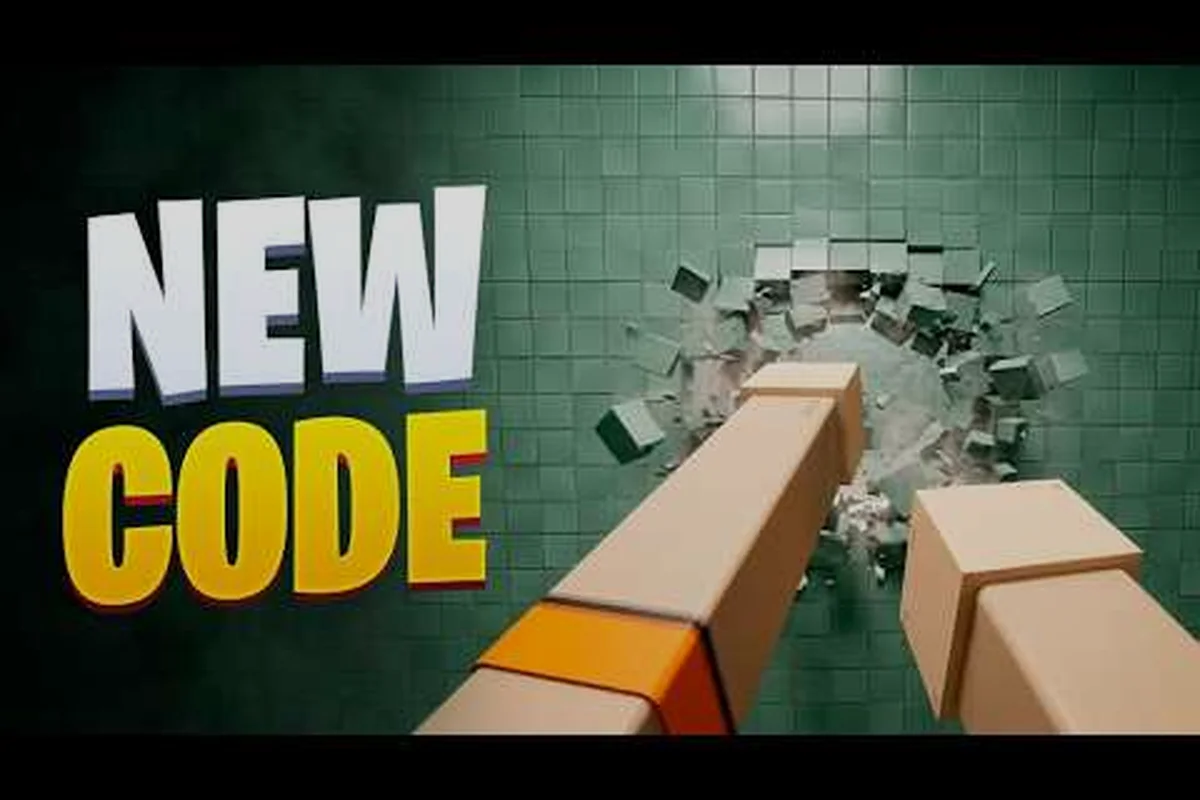
Community videos of the punching and vacuuming loop show the same pattern again and again — players who rush the cheapest upgrade stall out, while players who follow the intended line keep momentum. The ToyTaanic prison escape run is a good reference point for how the early loop actually feels in motion.
A few principles shape the whole progression: each tool must pay for itself before the next one becomes affordable, so the unlock order is really a cash-flow chain rather than a damage ladder. The chisel earns its place first because its precision lets you target high-value rubble without wasting swings, but its slow clear speed means upgrading to the pickaxe too late stalls your income. The pickaxe-versus-jackhammer gap matters most mid-run, when multi-block clearing finally outpaces single-block grinding and the jackhammer's speed offsets its higher price. Saving for dynamite before the jackhammer is the classic mistake — you sit on a slow tool while the tunnel ahead stays sealed.
-
Bare fists clear the first few blocks but hit a wall fast.
-
Chisel is the first real tool past fists — precise, but noticeably slower on long digs.
-
Pickaxe reads as the reliable middle option most runs settle on for normal grinding.
-
Jackhammer turns single-block work into fast multi-block clearing.
-
Dynamite is the endgame explosive that reshapes entire tunnel sections at once.
Nothing on the official page lists exact damage numbers, tool prices, or rubble values, so treat any precise figure you see elsewhere as unverified — including the "best explosive" claims that float around dynamite discussions. What is reliable is the order itself and the loop it feeds. That distinction matters because the chisel-versus-pickaxe and pickaxe-versus-jackhammer debates are decided by cash flow, not by a hidden stat sheet: if you cannot verify a price, you cannot verify a "skip the pickaxe" shortcut either. Trust the sequence, watch your rubble income between unlocks, and let the loop tell you when the next tool is actually affordable.
The Cash Loop Behind Every Purchase
Every tool purchase is really a bet on your own income. A faster tool clears more blocks per minute, more blocks mean more rubble, and more rubble means more cash for the next tier. That is why the unlock order is not just a shopping list — it is a compounding investment schedule. Skipping a tier to save for a bigger one usually costs you more in lost digging time than you gain.
Chisel to Pickaxe: The First Real Upgrade Decision
The chisel-versus-pickaxe question comes up constantly because it is the first moment the game asks you to spend real cash. The chisel is precise and cheap, which makes it a fine bridge tool, but its slow clear rate on long tunnels is the reason most players push toward the pickaxe quickly.
| Tool | Best Use | Weakness | Verdict |
|---|---|---|---|
| Bare fists | First few blocks, zero cost | Hits a hard wall almost immediately | Skip past ASAP |
| Chisel | Precision work, tight corners | Noticeably slower on long digs | Buy early, don't linger |
| Pickaxe | Reliable all-purpose grinding | Not built for wide clearing | The workhorse tier |
| Jackhammer | Fast multi-block clearing | Higher cost to reach | Strong mid-game jump |
| Dynamite | Blasting whole sections | Needs careful placement | Endgame explosive |
The chisel earns its place as the first purchase because it is affordable and gets you out of fist-only digging. But if you find yourself swinging it block after block with the exit still far away, that is your signal to bank cash for the pickaxe rather than upgrading anything else.
When the Chisel Stops Paying Off
Watch your clear speed, not your wallet. Once a single tunnel section takes noticeably longer than the last, the chisel has done its job and the pickaxe is the correct next buy. Players who keep chiseling to save cash usually end up spending that saved cash on extra time instead. The full beginner tool breakdown walks through each tier's feel in more detail if you want a slower read on the early game.
Pickaxe vs Jackhammer: Where Grinding Turns Into Clearing
The pickaxe-versus-jackhammer jump is the biggest quality-of-life change in the whole line. The pickaxe is the tool most runs settle on for normal grinding because it balances speed and control, but the jackhammer changes what a dig looks like — instead of chipping one block at a time, you start carving through clusters.
| Comparison | Pickaxe | Jackhammer |
|---|---|---|
| Clear style | Single-block, controlled | Multi-block, aggressive |
| Best for | Steady cash grinding | Pushing through long tunnels |
| Cost to reach | Moderate | Higher |
| Risk | Slow on wide walls | Overshooting your tunnel line |
Because breaking blocks is the whole job, keeping the tunnel straight and punching toward the exit avoids wasted work. The jackhammer makes it easy to drift sideways if you are not careful, so aim before you swing. If you want a ranked look at where each tool lands overall, the full digging tier list puts every tier side by side.
Reading the Right Moment to Buy
The jackhammer is worth buying the moment your pickaxe runs start feeling like a chore rather than progress. If you are clearing a section and thinking about how many swings are left, you have already outgrown the pickaxe. Buying the jackhammer earlier than that usually means you spent cash you could have used on fist or vacuum upgrades first.
Jackhammer vs Dynamite: The Endgame Explosive Decision
The jackhammer-versus-dynamite choice is where the unlock order stops being linear and starts being strategic. The jackhammer is a fast, repeatable tool you swing all run. Dynamite is a limited, high-impact explosive that clears whole sections at once — and it is the best explosive in the game for exactly that reason.
| Factor | Jackhammer | Dynamite |
|---|---|---|
| Availability | Unlimited swings | Limited charges |
| Coverage | Multi-block clusters | Whole tunnel sections |
| Precision | High, you control the line | Requires careful placement |
| Best moment | Constant digging | Breaking through a walled-off stretch |
Dynamite tips that actually matter: place it where the blast opens the most blocks toward the exit, not where it looks most dramatic. A badly placed charge wastes a limited resource and can leave you with a wider tunnel that still does not reach the goal. The dynamite mechanics guide covers placement patterns in depth.
Why Dynamite Is the Best Explosive
Dynamite wins the explosive comparison because nothing else clears that much material in a single action. The trade-off is scarcity — you cannot swing it forever like the jackhammer. Treat it as a finisher for stubborn sections rather than your everyday digging tool, and it will pay for itself in saved time.
Building a Buy Order That Keeps Cash Flowing
The unlock order is fixed, but the timing of each purchase is yours to control. A buy order that respects the cash loop looks like this — and the reason it works is that every rung on the tool ladder pays for itself faster than the one before it, so the sooner you climb, the more rubble per minute you bank for the next tier. Front-loading a side upgrade like fist damage before the chisel simply stretches the grind, because fists cap out low and the chisel's faster break speed compounds on every wall you clear afterward.
-
Clear the opening blocks with fists and bank the first rubble sales.
-
Buy the chisel as soon as you can afford it — it beats fists immediately.
-
Save toward the pickaxe rather than upgrading side systems first.
-
Buy the jackhammer once pickaxe runs start feeling slow.
-
Pick up dynamite for the sections where a single blast saves minutes.
Interleaving fist damage and vacuum upgrades between tool tiers is a legitimate strategy, and the upgrade order guide explains where those purchases fit without breaking the tool line. The key is never letting a side upgrade delay the next tool tier by more than a short grind.
Signs You Bought Too Early or Too Late
Buying too early shows up as a tool you cannot fully use — a jackhammer with no cash left for anything else. Buying too late shows up as frustration: swinging a tool that clearly cannot keep pace. Both are fixable by watching your clear speed per section and letting that number, not your balance, drive the next purchase.
Frequently Asked Questions
What is the Punch Walls to Escape tool unlock order?
The order is fixed: chisel first, then pickaxe, then jackhammer, and finally dynamite. Each tier costs more than the last, so the sequence doubles as a savings plan. Community videos consistently show this same line, and no official page lists alternate paths or skippable tiers.
Is the chisel or pickaxe better to buy first?
The chisel is the correct first purchase because it is affordable and immediately beats bare fists. The pickaxe is the better long-term tool, but you should not save for it while still punching walls with your hands. Buy the chisel, use it to earn, then move up.
When should I switch from pickaxe to jackhammer?
Switch once pickaxe runs start feeling slow rather than productive. If you are counting swings on a single section, the jackhammer is due. Buying it before that point usually means spending cash you needed for other upgrades, which slows the whole loop down.
Is dynamite the best explosive in the game?
Yes, dynamite clears more material per use than any other tool, which makes it the strongest explosive option. Its limit is scarcity — charges are finite, so it works best as a finisher for stubborn sections rather than your everyday digging tool. Place charges toward the exit.
Can I skip a tool tier to save cash?
Skipping rarely pays off. Each tier earns cash faster than the one before, so skipping means grinding longer with a slower tool to afford a faster one. The lost digging time usually outweighs the savings, and the fixed unlock order means you cannot bypass a tier anyway.
The unlock order in Punch Walls to Escape is simple on paper — chisel, pickaxe, jackhammer, dynamite — but the value comes from timing each purchase to the cash loop it feeds. Buy the next tier when your current tool stops earning efficiently, place dynamite where it opens the most blocks toward the exit, and let clear speed rather than your balance decide when to upgrade.